
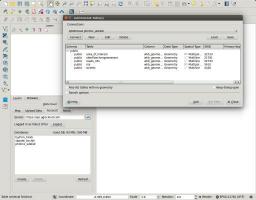
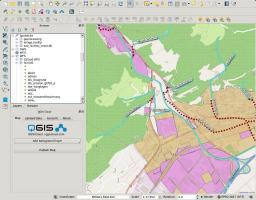
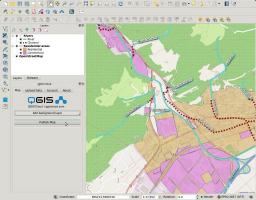
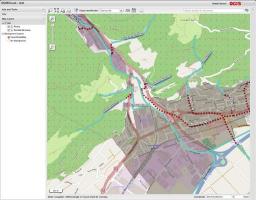
QGIS Cloud is your powerful Web-GIS platform for publishing maps, data and services on the internet. Create and edit professional maps with all the capabilities from QGIS. With only a few short mouse-clicks you can share your work on qgiscloud.com with the public.
These species hide illness until it is nearly fatal. A rabbit who stops grooming (leading to a "sticky bottom" and flystrike) or a ferret who becomes suddenly cuddly (lethargy) is a veterinary emergency. Understanding normal behavior is essential for early disease detection.
One of the most significant shifts in modern clinics is the adoption of the . This approach integrates behavioral science directly into medical exams to reduce "FAS" (Fear, Anxiety, and Stress). zooskool wwwrarevideofree high qualitycom hot
The "Fear-Free" movement has revolutionized how clinics operate. Veterinary scientists now use behavioral knowledge to modify the clinic environment—using pheromone diffusers, specialized handling techniques, and treat-motivated exams. Reducing cortisol levels during a visit doesn’t just make the pet happier; it ensures more accurate blood pressure readings, heart rates, and diagnostic results. 2. Strengthening the Human-Animal Bond These species hide illness until it is nearly fatal
– Bloodwork, imaging, and species-specific pain or neurological assessments. One of the most significant shifts in modern
Research explores how owner behavior affects pet stress and how animals provide emotional support to humans.




These species hide illness until it is nearly fatal. A rabbit who stops grooming (leading to a "sticky bottom" and flystrike) or a ferret who becomes suddenly cuddly (lethargy) is a veterinary emergency. Understanding normal behavior is essential for early disease detection.
One of the most significant shifts in modern clinics is the adoption of the . This approach integrates behavioral science directly into medical exams to reduce "FAS" (Fear, Anxiety, and Stress).
The "Fear-Free" movement has revolutionized how clinics operate. Veterinary scientists now use behavioral knowledge to modify the clinic environment—using pheromone diffusers, specialized handling techniques, and treat-motivated exams. Reducing cortisol levels during a visit doesn’t just make the pet happier; it ensures more accurate blood pressure readings, heart rates, and diagnostic results. 2. Strengthening the Human-Animal Bond
– Bloodwork, imaging, and species-specific pain or neurological assessments.
Research explores how owner behavior affects pet stress and how animals provide emotional support to humans.
© 2013-2026 Sourcepole AG. All Rights Reserved. General Terms and Conditions | Privacy