
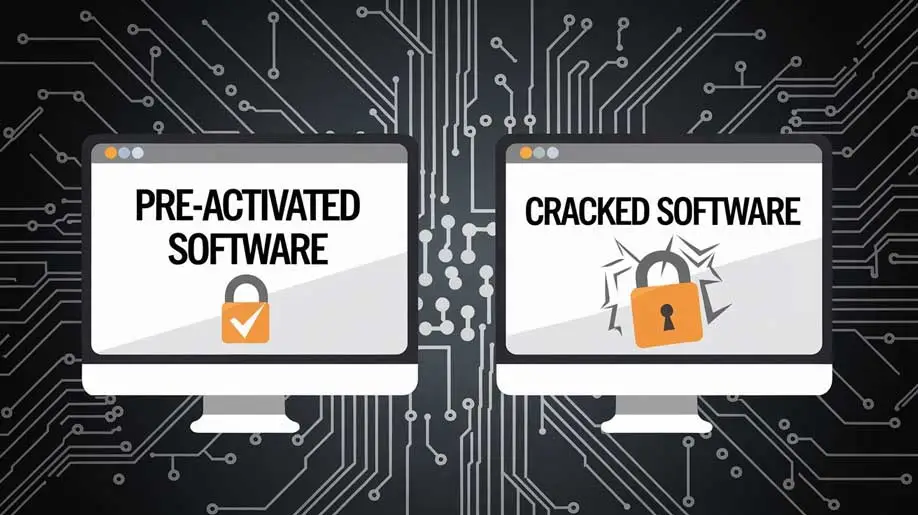
Understanding the Difference Between Pre-Activated and Cracked Software: A Comprehensive Guide

My Card Is Blocked ✧
A dangerous trend: scammers call or text saying "Your card has been blocked, press 1 to unblock." When you press, they ask for your full card number, CVV, and PIN.
To avoid the inconvenience of a future block, proactive planning is essential. Before traveling, especially internationally, notify your bank of your itinerary and travel dates. Most banking apps now have a “travel notification” feature. Keep your contact information (phone number and email) up to date so the bank can reach you for verification. Using your card regularly for small, predictable purchases helps the algorithm learn your “normal” behavior. Furthermore, carrying a backup card from a different bank or a small amount of emergency cash ensures that a single block does not leave you stranded. my card is blocked
A blocked card is rarely a cause for lasting alarm. It is a testament to the financial industry’s effort to protect your money from unauthorized use. While the immediate moment of decline is jarring, recognizing the logic behind the block—whether fraud prevention, an expired date, or a forgotten PIN—empowers you to act effectively. By understanding your bank’s security systems, keeping your contact information current, and planning ahead for unusual purchases, you can quickly turn that stressful message, “my card is blocked,” into a minor, resolvable footnote in your day. A dangerous trend: scammers call or text saying
