 Помощь
 Контакты
 Войти
Войти
У вас 0 товаров
на сумму 0 руб.
Applying V-Ray materials in Rhino 5 required a deep understanding of UV Mapping. Unlike parametric tools (like Grasshopper) or modern real-time engines (like Unreal Engine), mapping complex textures onto organic Rhino surfaces often required manual manipulation of mapping widgets, making the texturing process the most time-consuming phase of the workflow.
| Symptom | Cause | Fix in Rhino 5.0 x64 | | :--- | :--- | :--- | | Material renders green/pink | Missing texture file path | Asset Editor > Textures > Repath bitmap | | Glossy surfaces look noisy | Glossy samples too low | Increase "Glossy subdivision" to 32 | | Glass is black | Refraction depth too low | Set Max Depth to 20 | | Bump map is inverted | Bad normal direction | Use TexBump and negative multiplier | | Rhino crashes when loading material | Corrupted .vismat library | Import materials one-by-one to isolate the bad file | Rhinoceros 5.0 x64 VRAY MATERIALS
: These add physical depth to a surface without changing the geometry, perfect for wood grain or fabric weaves. Applying V-Ray materials in Rhino 5 required a
: The V-Ray Asset Editor serves as the central hub for creating and managing all materials, lights, and textures. 2. Material Creation and Library Management : The V-Ray Asset Editor serves as the
Sometimes, no premade material fits your need. Here is how to build the three most common material types using .
V-Ray for Rhinoceros 5.0 (x64) is an industry-standard rendering engine used by architects and product designers to create photorealistic visuals directly within the Rhino interface .
This report analyzes the implementation, functionality, and legacy status of the V-Ray rendering engine within the Rhinoceros 5.0 x64 (Rhino 5) environment. Specifically, it focuses on the material creation and management workflows known as "V-Ray Materials."
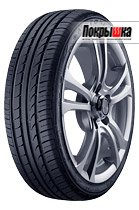
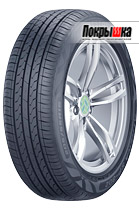
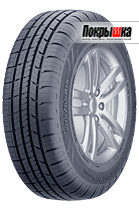





 4.9
4.9

 В закладках:
 В сравнении:
 В корзине: