



 Houders
 Kabels en Smartbox
 Dashcam toestellen
 Voor- en achteruitkijk camera’s
 SD kaartjes
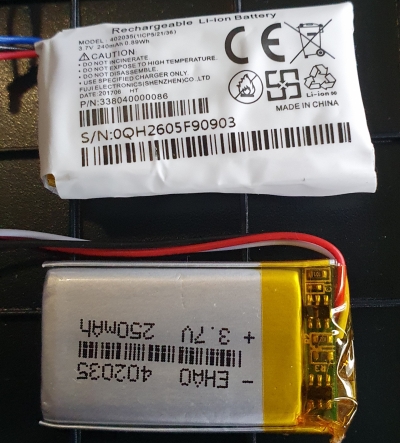 Batterij
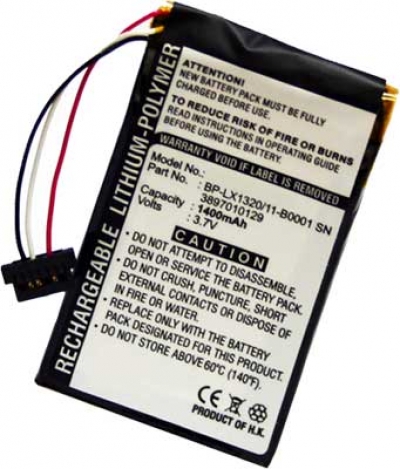 Batterij
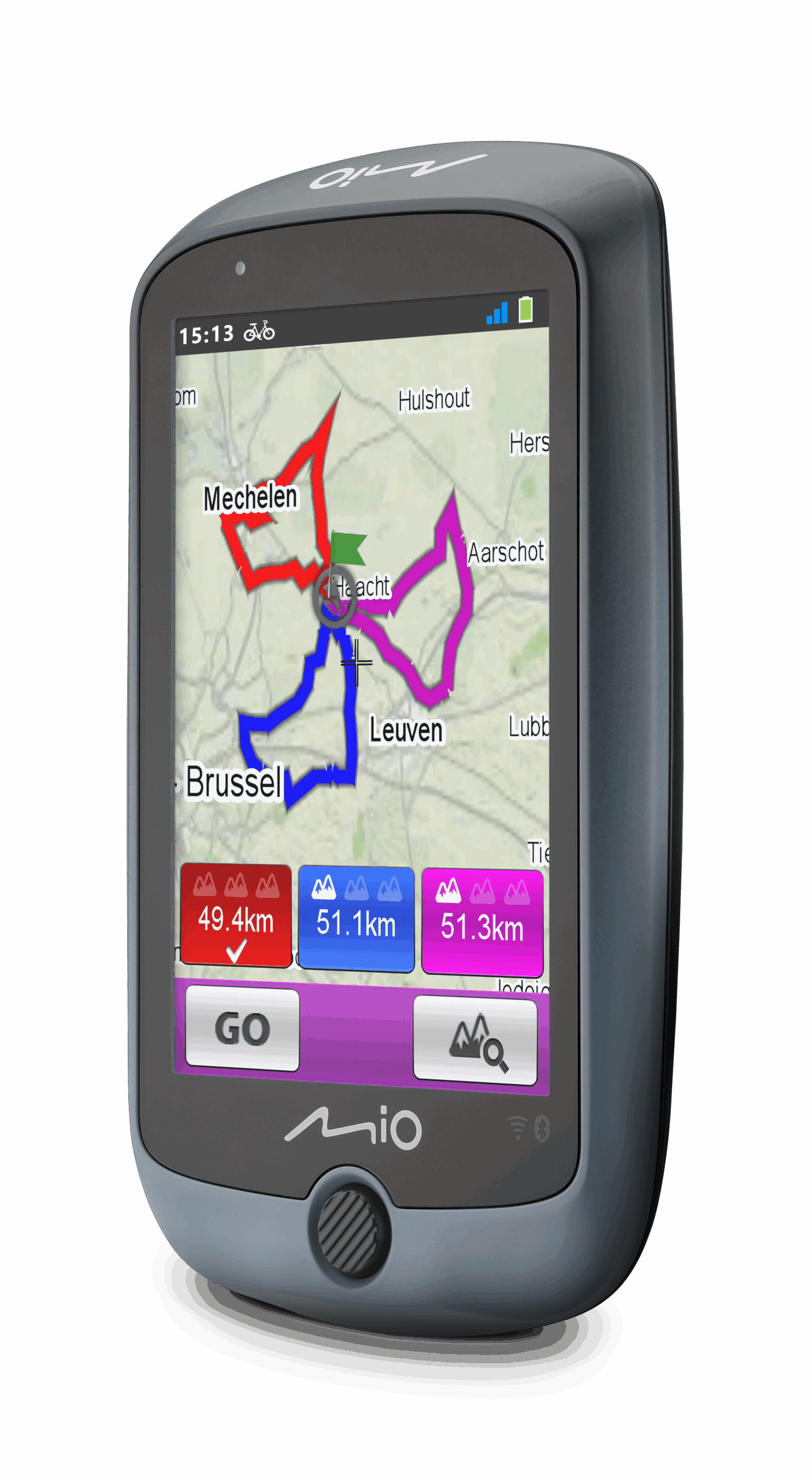 Toestellen
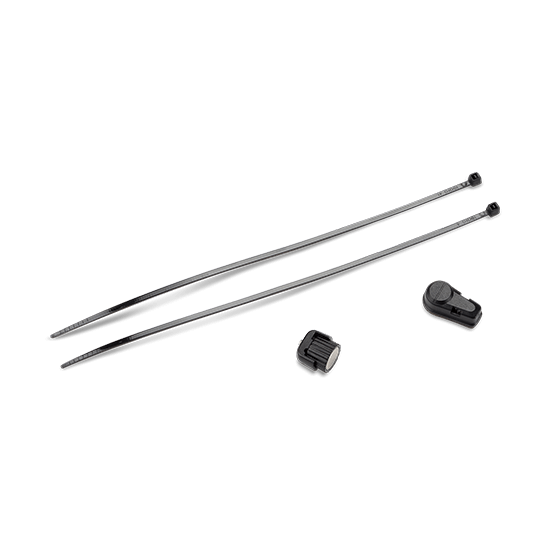 Sensoren
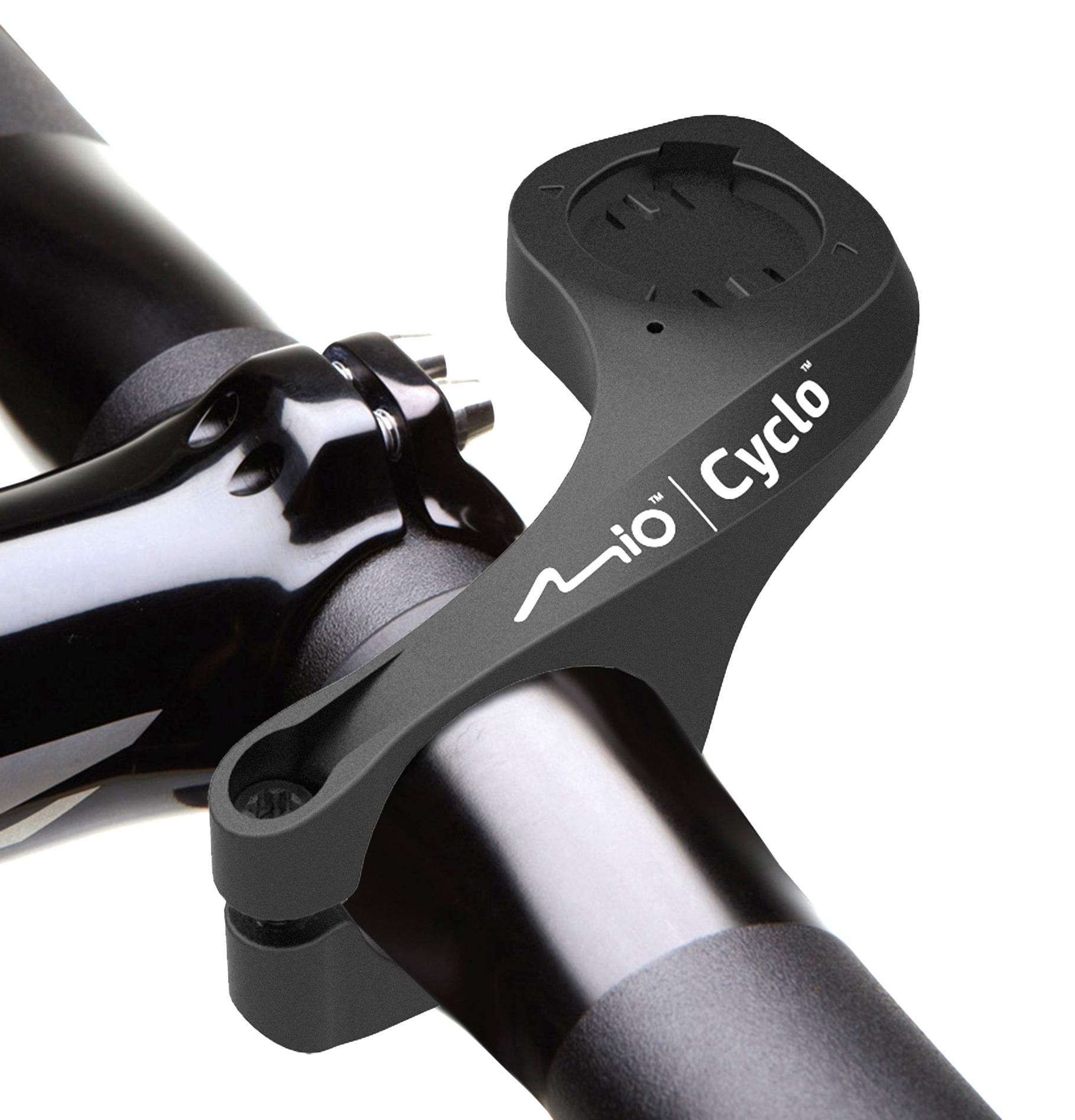 Houders
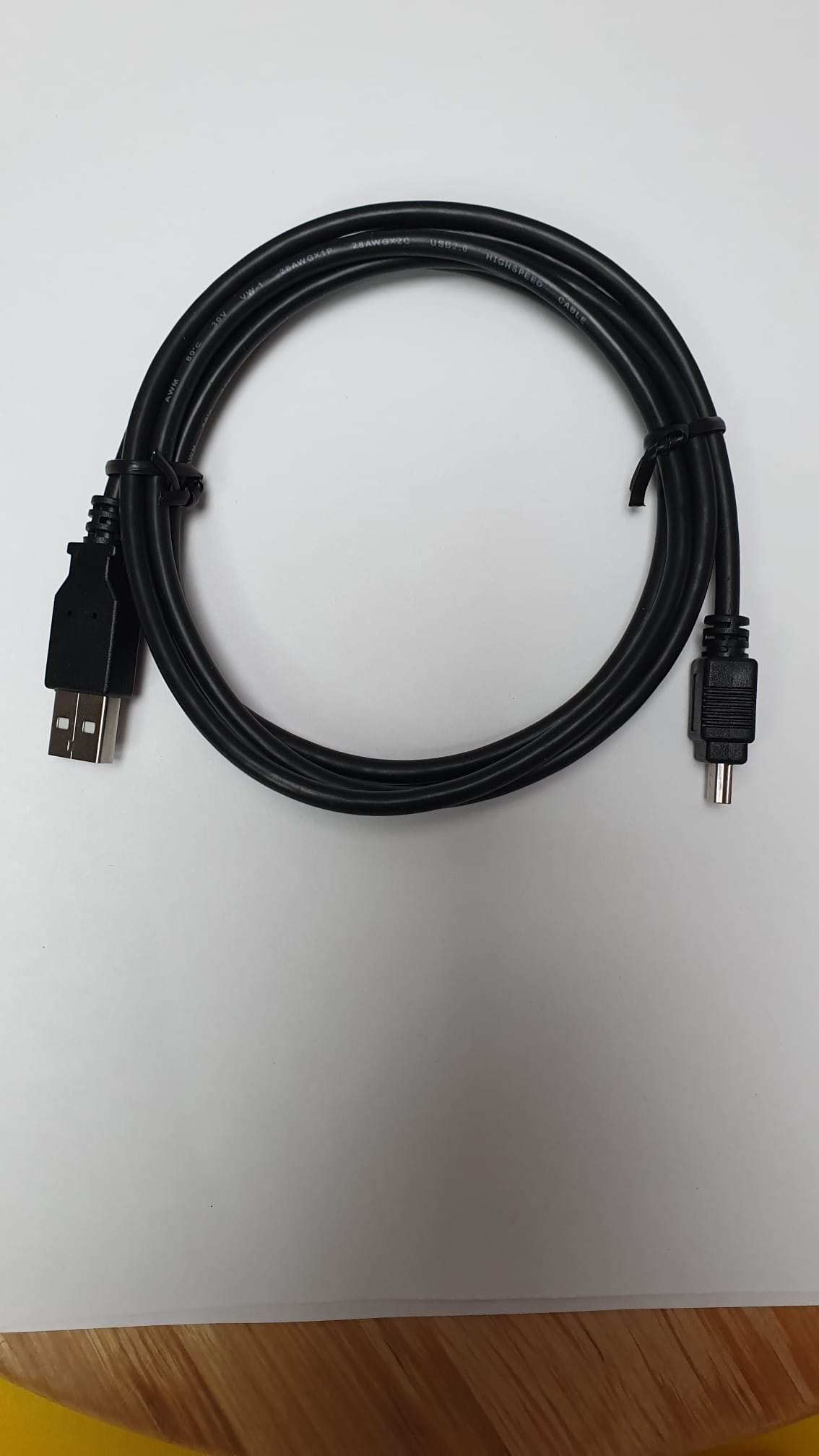 Kabels
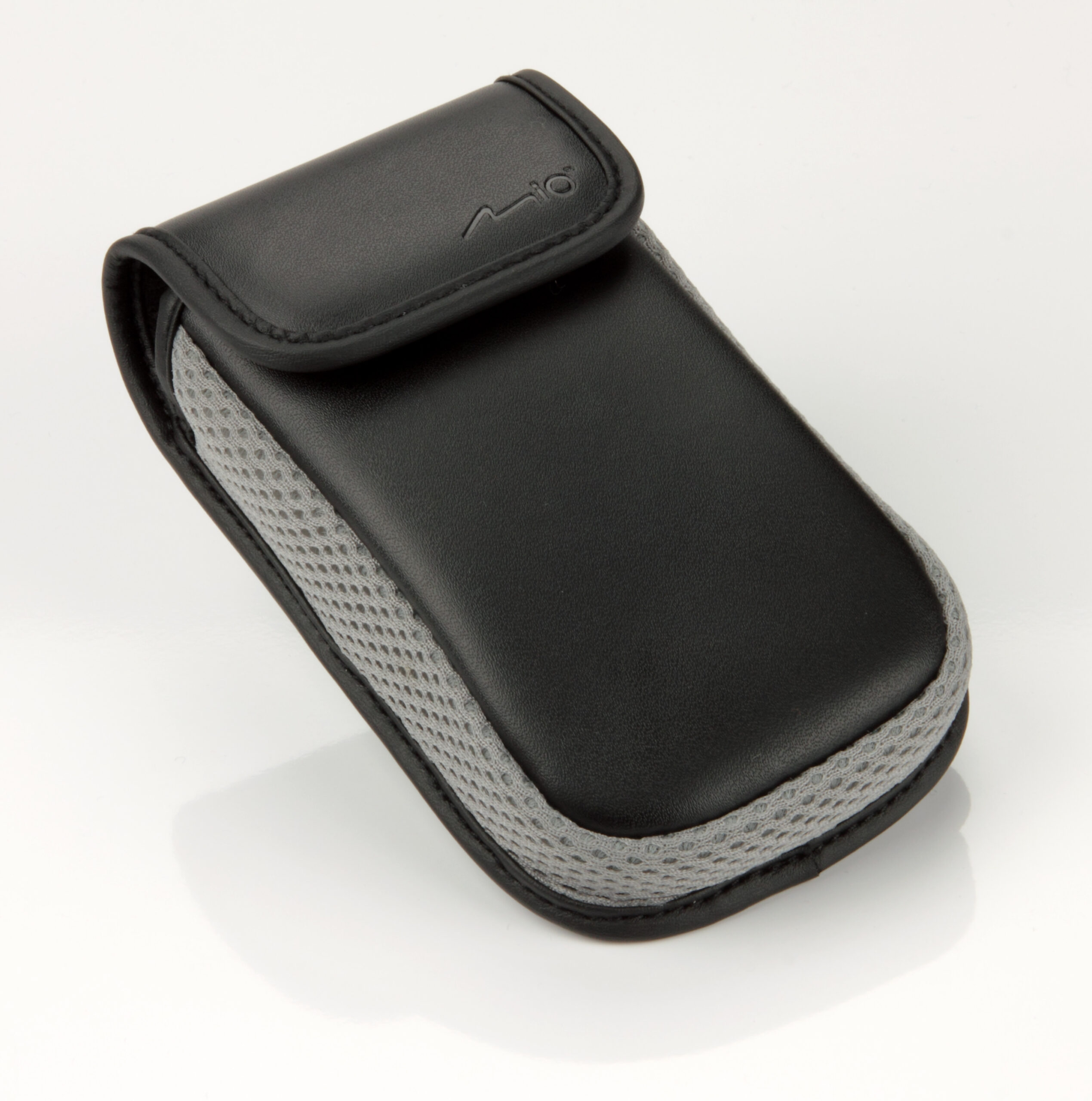 Tasje / hoesje
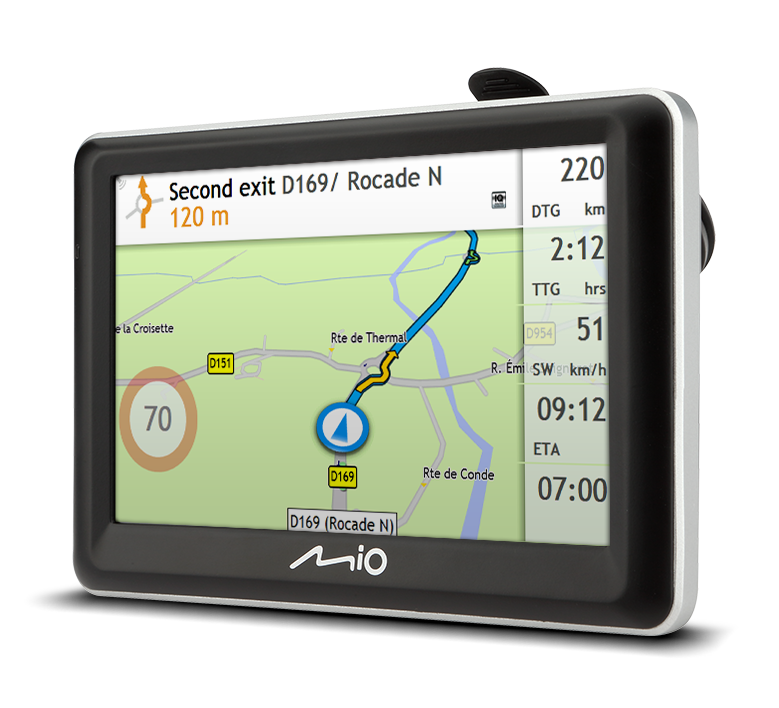 Mio GPS toestellen
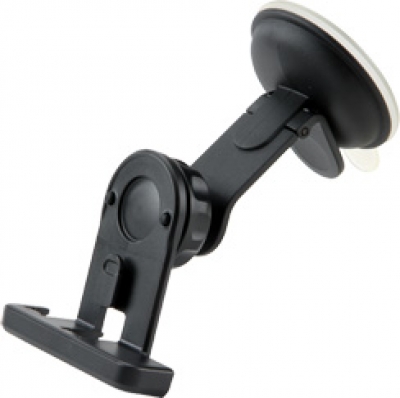 Houders
 Kaarten
 Speciale huurkaarten
Inpage 2000 2.4 |work| -
Use the "M" button at the bottom left to set up headers and footers that appear on every page of your book. 🏆 The Verdict
While newer versions exist today, version remains a legendary milestone in the history of desktop publishing (DTP) for South Asia. For many professionals—newspaper editors, book publishers, and calligraphers—this specific version is still the gold standard. This article dives deep into what made Inpage 2000 2.4 iconic, how it worked, why it’s still used today, and where you can find it. Inpage 2000 2.4
, where English letters correspond to similar-sounding Urdu characters: Slideshare = ا (Alif) = ب (Bay) = پ (Pay) = ت (Tay) = س (Seen) = ھ (Heh) = ُ (Paish) Slideshare 3. Essential Tools & Features Text & Layout Management: Arrow Tool to select objects and the to type or edit text within text boxes. Formatting: Adjust font styles (e.g., Noori Nastaliq ), sizes, and alignment using the toolbar at the top. Symbols Gallery: Use the "M" button at the bottom left
InPage 2000 2.4, building on the foundation of earlier versions, integrated a sophisticated font technology (often based on a modified version of the Noori Nastaliq typeface). It operated as a standalone word processor and page layout application inherently designed for Unicode’s precursors. Its core innovation was the use of a that could dynamically select from thousands of pre-drawn ligature combinations (called tashkeel ) in real time. This allowed a user to type an Urdu sentence on a standard QWERTY keyboard and see it rendered instantly in a form that mimicked the work of a master calligrapher. Version 2.4 refined this engine, offering smoother redraws, better stability on Windows 98 and 2000, and enhanced memory management for longer documents. This article dives deep into what made Inpage 2000 2
Nevertheless, the legacy of InPage 2000 2.4 is indelible. It set the standard for multilingual desktop publishing. Even today, despite the rise of Unicode-compliant Nastaliq fonts (like those from Google and Microsoft) and modern software like Adobe InDesign (which now supports Right-to-Left scripts), a significant portion of the commercial Urdu and Persian publishing industry continues to rely on InPage workflows. Later versions (2003, 2009, and the modern Pro pack) retain the DNA of the 2.4 build.